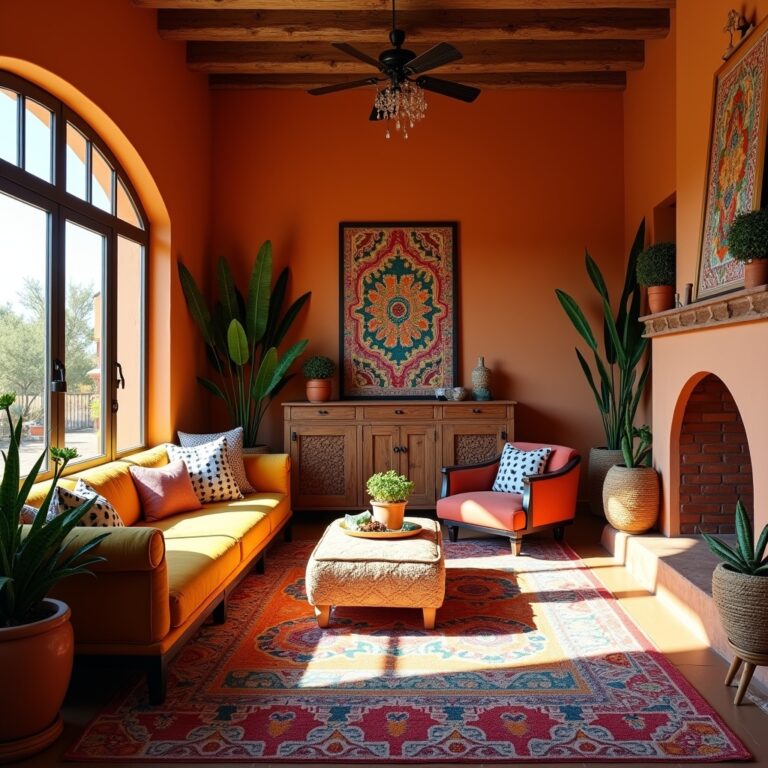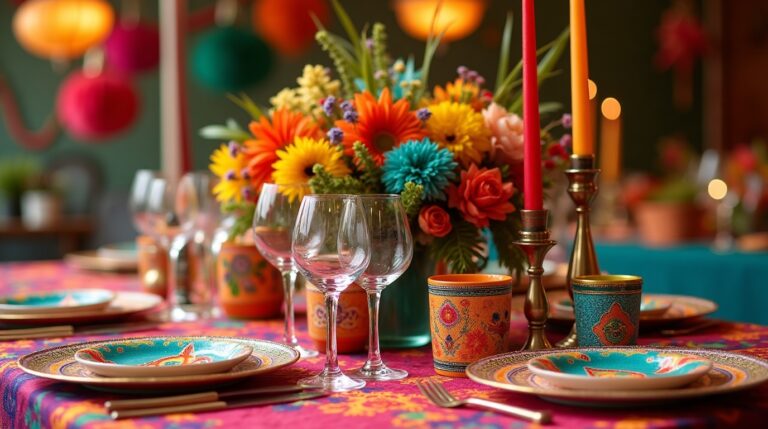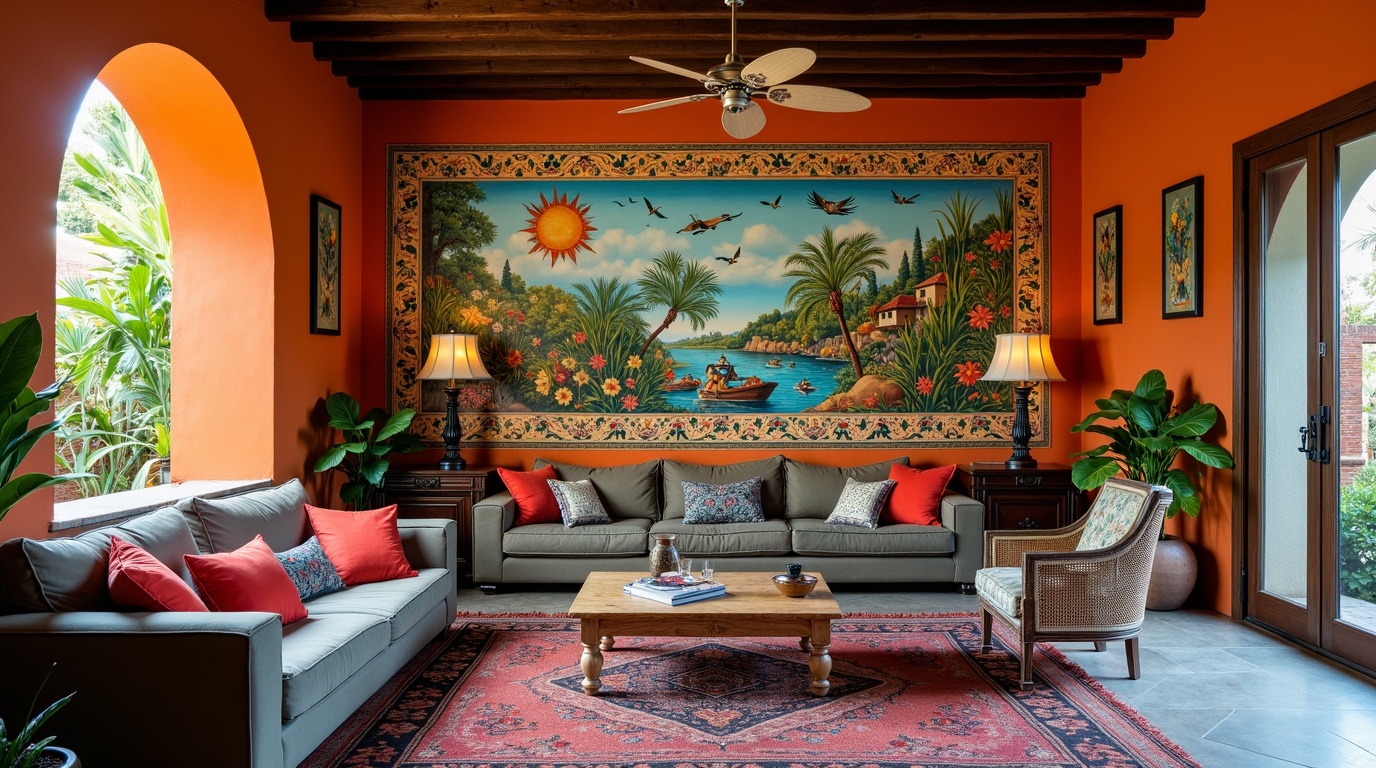
Modern Mexican Interior Design: How to Mix Traditional & Contemporary
Modern Mexican interior design represents one of the most compelling evolutions in contemporary home styling, a sophisticated dialogue between centuries-old craftsmanship and minimalist sensibility. This design approach preserves the warmth, texture, and cultural richness of traditional Mexican spaces while embracing the clean lines, edited palettes, and functional simplicity that define modern living.
Table of Contents
Unlike the vibrant, pattern-saturated interiors of colonial haciendas, contemporary Mexican decor distills these elements into something more restrained yet equally powerful. It’s about honoring heritage without replicating it wholesale, creating spaces that feel both timeless and undeniably current.
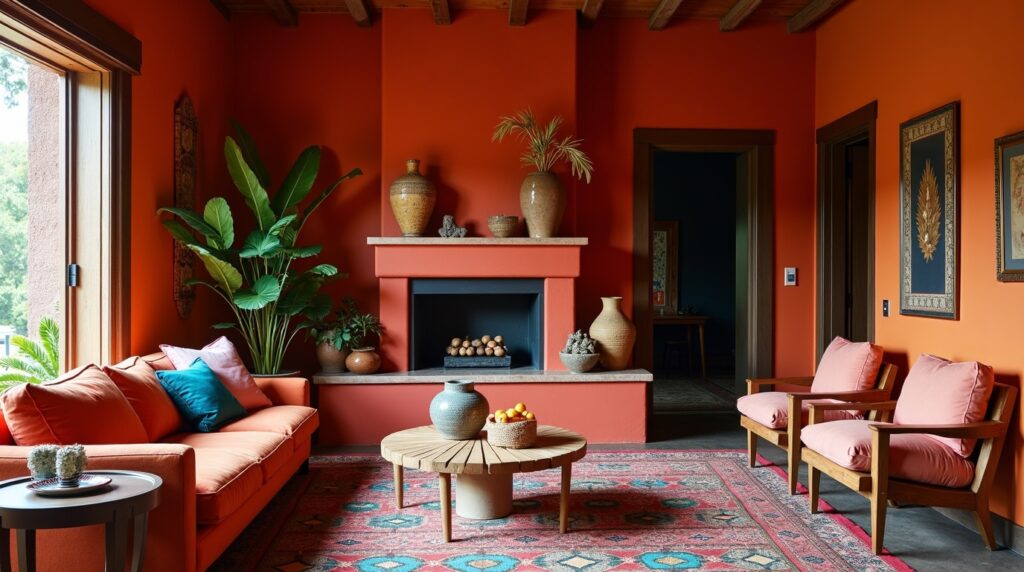
This style appeals to homeowners seeking authenticity without visual chaos, designers working with culturally inspired briefs, and renovators transforming traditional properties for modern lifestyles. The result is spaces that breathe, celebrate handcraft, and maintain visual sophistication—a modern Mexican home that feels collected, intentional, and deeply personal.
Traditional vs. Modern Mexican Design: Understanding the Shift
To successfully blend these aesthetics, you must first understand their fundamental differences:
Color Usage
Traditional: Saturated jewel tones—cobalt blue, terracotta orange, sunny yellow, deep magenta—are often used simultaneously across walls, tiles, and textiles.
Modern: Neutral foundations (warm whites, sand, clay) with strategic color punctuation. Terracotta and ochre appear as accents rather than dominant forces.
Materials
Traditional: Heavy carved wood, ornate wrought iron, hand-painted Talavera tiles covering entire surfaces, rough-hewn stone.
Modern: Smooth plaster walls, light-finished wood, concrete, natural linen, selective tile applications, polished stone with visible grain.
Furniture Forms
Traditional: Ornate Spanish colonial pieces, heavily carved detailing, dark finishes, substantial proportions.
Modern: Simplified silhouettes, exposed joinery, lighter woods, streamlined profiles, pieces that respect negative space.
Patterns
Traditional: Layered geometric tiles, embroidered textiles with folkloric motifs, painted furniture with elaborate designs.
Modern: Singular pattern statements, geometric abstraction, subtle weaving textures, monochromatic variations.
Spatial Layout
Traditional: Rooms filled with furniture and decorative objects, dense tablescapes, multiple textiles per space.
Modern: Edited arrangements, intentional empty space, “less but better” curation, breathing room between elements.
Decorative Density
Traditional: Abundance as aesthetic—clustered ceramics, multiple art pieces per wall, layered textiles.
Modern: Strategic placement, focal point emphasis, quality over quantity, allowing individual pieces to command attention.
10 Ways to Blend Traditional & Modern Mexican Style
1. Establish a Minimalist Base with Artisan Punctuation
Begin with a restrained architectural envelope—white plaster walls, concrete floors, simple ceiling planes. This neutral foundation allows traditional elements to register as intentional design choices rather than overwhelming the senses.
In a living room, pair a contemporary sectional in natural linen with a single vintage Oaxacan textile as a throw. The modern hacienda style emerges not from replicating every traditional element but from allowing a few exceptional pieces to create cultural resonance against visual simplicity.
2. Expose Structural Elements with Contemporary Restraint
Rustic wood beams carry profound cultural significance in Mexican architecture, but modern application requires editing. Rather than the heavy, dark vigas of traditional homes, specify lighter-toned beams with visible grain, spaced generously across the ceiling plane.
In open-plan spaces, allow these structural elements to define zones without added decoration. The wood itself becomes the ornament—no carved corbels, no painted detailing, just honest material expressing its natural character.
3. Reinterpret Talavera Through Selective Application
Traditional Mexican homes often feature hand-painted tiles covering stairs, fountains, kitchen backsplashes, and bathroom walls comprehensively. Modern Mexican interior design uses these exquisite tiles as singular focal points.
Consider a powder room where Talavera tiles appear only as a geometric backsplash behind a floating concrete sink, surrounded by pristine white walls. Or a kitchen where a single row of decorative tiles punctuates an otherwise minimalist subway tile installation. The craftsmanship receives proper attention without competing for visual dominance.
4. Curate Textiles with Architectural Intention
Mexican weaving traditions—from Oaxacan wool to Chiapas backstrap techniques—offer extraordinary texture and pattern. In contemporary applications, treat these textiles as art pieces rather than layered accessories.
Hang a single large Zapotec rug as wall art in a dining room with clean-lined furniture. Drape one exceptional serape across a modern leather chair rather than covering every surface with pattern. This restraint allows the craftsmanship, color subtlety, and weaving technique to be properly observed and appreciated.
5. Integrate Indigenous Crafts Through Modern Forms
Seek contemporary interpretations of traditional crafts—ceramicists working in ancestral techniques but creating minimalist vessels, furniture makers applying traditional joinery to streamlined silhouettes, weavers producing geometric abstractions of folkloric patterns.
A modern Mexican home might feature black clay pottery from Oaxaca in sculptural, unadorned forms displayed individually on floating shelves. Or dining chairs with woven leather seats and backrests but simplified wooden frames that read as contemporary.
6. Balance Warm and Cool Material Temperatures
Traditional Mexican interiors lean warm—terracotta floors, carved wood, wrought iron, earthen plaster. Modern spaces introduce cooling elements: polished concrete, smooth plaster, metal fixtures with brushed finishes, glass surfaces.
Create rooms where warm wood dining tables sit on cool concrete floors, where rustic ceiling beams contrast with sleek metal pendant lights, where handwoven textiles in earth tones complement smooth leather upholstery. This temperature play prevents spaces from feeling either too rustic or overly clinical.
7. Embrace Indoor-Outdoor Fluidity with Minimal Transition
Mexican architecture has always celebrated the relationship between interior and exterior spaces. Modern applications simplify these transitions—floor-to-ceiling glass rather than small courtyard windows, continuous flooring materials flowing from interior to exterior, retractable walls creating flexible boundaries.
Design outdoor living areas with the same minimalist Mexican decor principles applied inside: simple built-in seating with cushions in neutral linens, a single statement fire feature, potted plants in matching clay vessels rather than eclectic collections.
8. Specify Lighting That Honors Craft Without Nostalgia
Avoid wrought iron chandeliers with candelabra bulbs—these firmly anchor spaces in traditional territory. Instead, select contemporary fixtures that incorporate Mexican materials: woven palm pendants in geometric forms, ceramic sconces with clean cylindrical profiles, metal fixtures with hammered textures but modern silhouettes.
In a kitchen, three matching pendant lights in natural fiber with simple shapes replace a single ornate traditional fixture. The material connection to Mexican craft remains evident while the form speaks to contemporary sensibility.
9. Create Gallery Moments with Contemporary Mexican Art
Rather than folkloric paintings or decorative tin mirrors, invest in work by contemporary Mexican artists exploring cultural themes through modern mediums—abstract paintings referencing traditional color palettes, photography documenting rural crafts, minimalist interpretations of pre-Columbian motifs.
Treat art installation with museum-quality restraint: generous white space around each piece, proper lighting, limited groupings. A single large-scale work commands more attention than a salon-style wall arrangement.
10. Design Built-Ins That Reference Hacienda Proportions
Traditional Mexican homes feature substantial built-in elements—arched niches, thick walls with recessed shelving, corner fireplaces with generous surrounds. Modern interpretations maintain these proportional relationships while simplifying ornamental details.
Create deep window seats without carved corbels, design floor-to-ceiling shelving with simple rectilinear forms, specify fireplace surrounds in smooth plaster rather than carved cantera stone. The architectural gesture remains recognizable while the aesthetic reads as contemporary.
Furniture Selection Guide for Modern Mexican Interiors
Sofas
Prioritize low-profile silhouettes in natural linen, hemp, or leather. Avoid overstuffed designs or elaborate tufting. Consider modular systems that create L-shaped arrangements without visual heaviness. Brands offering Mexican-made contemporary seating often incorporate traditional joinery techniques invisible to the eye but evident in structural longevity.
Chairs
Look for dining chairs with leather sling seats and light wood frames, accent chairs in terracotta-toned leather with minimal metal frames, or woven equipale chairs with simplified forms. The modern hacienda style dining room might feature chairs that reference traditional Spanish colonial shapes but execute them with cleaner lines and lighter proportions.
Tables
Solid wood tables with visible grain, simple trestle bases, and substantial tops work beautifully. Avoid elaborate carved aprons or turned legs. Coffee tables in concrete or stone with hand-rubbed finishes bridge modern material preference with artisan craft. Dining tables should feel generous—Mexicans gather—but structurally restrained.
Storage & Cabinetry
Built-in niches and open shelving replace ornate armoires. When freestanding storage is necessary, select pieces in light woods with simple door fronts or woven panel inserts. Avoid heavy carved detailing or painted finishes. Let wood grain provide visual interest while maintaining clean lines.
3 Homes That Perfectly Execute Modern Mexican Design
Case Study 1: Urban Contemporary in Mexico City
Concept: A compact apartment transforms through material restraint and strategic cultural punctuation.
Color Palette: Walls in warm white, concrete floors in natural gray, accents in terracotta and black.
Key Furniture: Low-profile sofa in natural linen, dining table in light oak with simple metal base, leather sling chairs.
Textiles & Art: Single large Zapotec rug as wall art, linen curtains in sand, one vintage serape across bed.
Why It Works: The limited square footage could have felt claustrophobic with traditional density. Instead, the minimalist Mexican decor approach creates visual expansion while maintaining cultural identity through carefully selected handcraft.
Case Study 2: Modern Hacienda Transformation in Yucatán
Concept: Colonial-era home renovated with contemporary insertions while preserving architectural bones.
Color Palette: Original limestone walls left natural, new plaster in off-white, accents in ochre and deep blue.
Key Furniture: Custom built-in seating in smooth plaster, contemporary dining table in dark tropical wood, vintage equipale chairs reupholstered in leather.
Textiles & Art: Neutral linen upholstery throughout, single Mayan-inspired tapestry, contemporary ceramics by local artists.
Why It Works: The architecture provides cultural context, allowing furnishings to remain edited. The tension between original structure and modern intervention creates dynamic interest without competition.
Case Study 3: Coastal Minimalist in Tulum
Concept: New construction embracing indoor-outdoor living with maximum material simplicity.
Color Palette: White stucco exterior and interior walls, concrete floors, natural wood accents, plants as green accent.
Key Furniture: Built-in banquettes with loose cushions, low platform bed in light wood, woven hanging chair.
Textiles & Art: All-white linens, single woven textile as headboard, local black clay vessels as sculptural objects.
Why It Works: The coastal setting permits extreme simplification. Mexican identity emerges through craft—woven elements, ceramics, wood joinery—rather than color or pattern density. The result feels serene rather than sparse.
Lighting, Textiles & Art in Modern Mexican Spaces
Lighting Strategy
Contemporary Mexican decor favors fixtures that incorporate traditional materials through modern forms. Woven palm pendants in spherical or cylindrical shapes provide warm ambient light while referencing basketry crafts. Ceramic sconces in simple geometric profiles bring handmade texture to walls without ornamental excess.
Consider scale carefully—oversized single pendants make stronger statements than clustered small fixtures. In dining areas, a large woven pendant centered above the table creates focal drama. In bedrooms, wall-mounted reading lights in hammered brass reference metalwork traditions with contemporary proportions.
Avoid reproducing colonial fixtures entirely. The goal isn’t historical recreation but contemporary interpretation of Mexican craft traditions.
Textile Philosophy
Mexican weaving encompasses extraordinary regional diversity—Oaxacan wool with geometric patterns, Chiapas brocade with representational figures, agave fiber in neutral tones. Modern applications require selectivity.
Base textiles—upholstery, bedding, curtains—should remain neutral: natural linen, undyed cotton, simple leather. This creates visual calm and allows investment in exceptional statement textiles that receive proper attention.
Display one museum-quality piece as wall art rather than layering multiple textiles per room. Choose pieces with sophisticated color palettes—natural dyes create complex, muted tones that integrate more successfully than synthetic bright colors.
Art Curation
Seek contemporary Mexican artists working in various media: abstract painters exploring color relationships rooted in landscape, photographers documenting traditional crafts with modern compositional approaches, sculptors creating minimalist forms from traditional materials.
Gallery-style installation—generous white space, proper lighting, professional framing—elevates these works appropriately. A single large painting commands a living room wall more successfully than a clustered arrangement.
Support living artists whenever possible through platforms specializing in contemporary Latin American art, ensuring authentic cultural connection while maintaining modern aesthetic standards.
Modern Mexican Shopping Guide: Curated Essentials
Furniture Foundations
Start with a sofa in natural linen or hemp—look for brands offering Mexican-made pieces with traditional joinery. The silhouette should be low-profile and modular, allowing flexible arrangements. Pair with a substantial coffee table in solid wood or concrete, prioritizing simple forms over elaborate detailing.
For dining, invest in a table that seats your household plus guests comfortably—hospitality is central to Mexican culture. Choose chairs with leather sling seats and light wood frames, or simpler wooden chairs with woven rush seats in contemporary profiles.
Accent seating might include a leather chair in terracotta tones with clean metal framing, or a modernized equipale design with simplified form. Avoid anything with elaborate carving or ornamental flourishes.
Lighting Selections
Woven pendant lights in natural palm or jute create warm ambiance while referencing traditional basketry. Select geometric forms—spheres, cylinders, cones—rather than elaborate shapes. Size up for drama: a 24-inch sphere makes more impact than three 12-inch fixtures.
For task lighting, consider ceramic table lamps with simple cylindrical bases in matte finishes, or metal sconces with hammered texture but contemporary profiles. Wall-mounted swing-arm reading lights in brass or bronze reference metalwork traditions.
Essential Textiles
Begin with a foundation of neutral linens: curtains in natural or off-white, bedding in undyed cotton or linen, upholstery in sand or stone tones. These create visual calm and longevity.
Invest in one exceptional Zapotec rug or wall hanging—seek pieces with sophisticated natural dye palettes rather than bright synthetic colors. A single vintage serape in earth tones adds warmth draped over modern seating. For outdoor spaces, select cushion covers in durable neutral fabrics that withstand weather while maintaining the minimalist aesthetic.
Wall Art & Decorative Objects
Support contemporary Mexican artists through specialized platforms. Look for abstract paintings that reference traditional color relationships, photography documenting craft traditions, or minimalist prints exploring cultural themes.
For three-dimensional elements, black clay pottery from Oaxaca in simple vessel forms provides sculptural presence without ornamental excess. Display individually on floating shelves or built-in niches rather than clustered groupings.
Avoid souvenir-quality items, reproduction folk art, or overly literal cultural references. Quality, contemporary interpretation, and restraint should guide every selection.
Comparison: Traditional vs. Modern Lighting
Traditional Carved Wood & Wrought Iron Chandelier
Visual Impact: Immediate cultural signaling, ornamental focal point
Space Efficiency: Visually heavy, requires high ceilings
Cost: $800-2,000 for authentic pieces
Maintenance: Dust collection in carved details, and eventual metal rust
Best Usage: Formal dining in homes fully committed to traditional aesthetic
Modern Woven Palm Pendant in Geometric Form
Visual Impact: Subtle cultural reference, contemporary sophistication
Space Efficiency: Lightweight appearance, works in various ceiling heights
Cost: $300-800 for quality handwoven pieces
Maintenance: Simple dusting naturally ages well
Best Usage: Dining areas, kitchens, living spaces in modern Mexican homes seeking authentic craft without historical replication
The modern pendant offers greater design flexibility, integrates successfully with contemporary furnishings, and maintains cultural authenticity through material and craft rather than ornamental historicism. It represents the essential philosophy of modern Mexican interior design: honoring tradition through a contemporary lens.
Modern Mexican interior design succeeds when cultural authenticity and contemporary sensibility achieve balance—neither dominates, both enrich. This approach creates homes that feel rooted yet current, warm yet uncluttered, personal yet sophisticated. By understanding traditional elements and consciously reinterpreting them through minimalist principles, you create spaces that honor Mexican heritage while embracing how we actually live today.