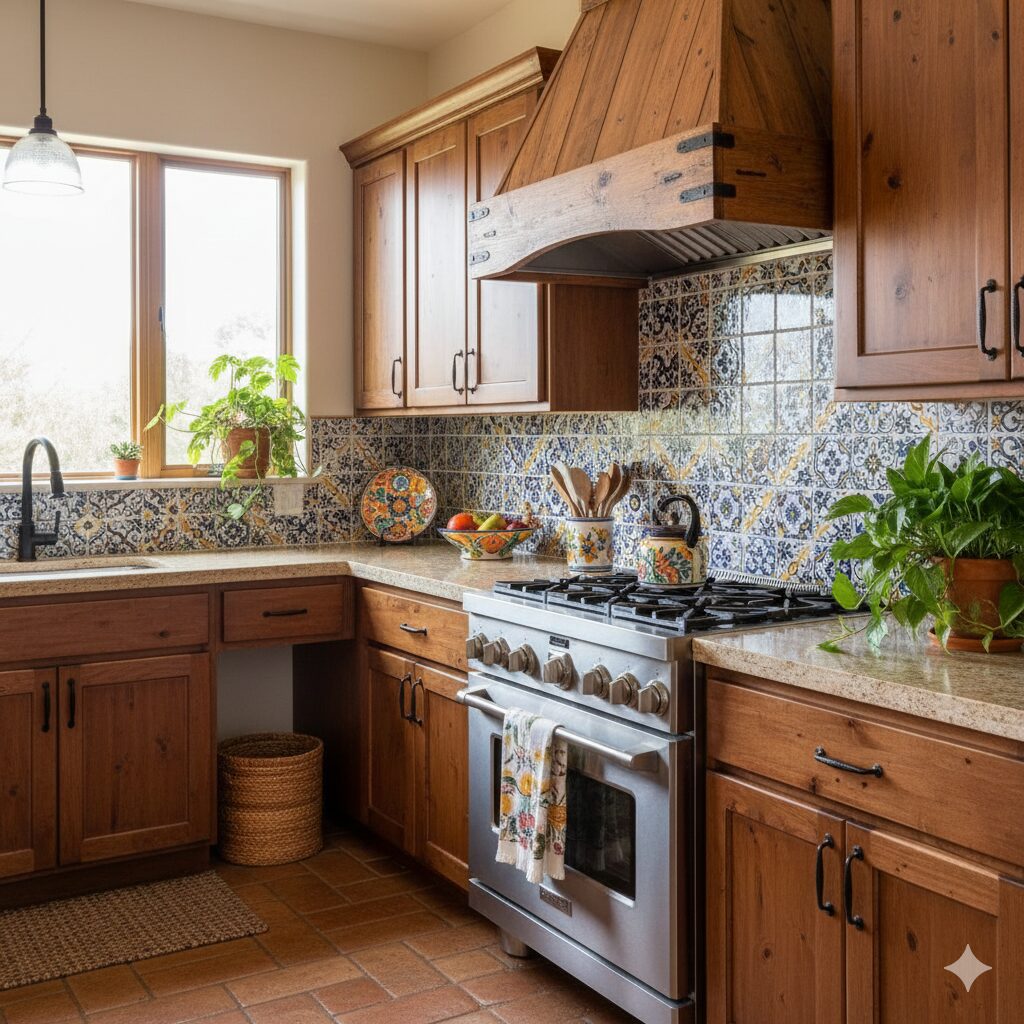
How to use Mexican tiles in kitchen
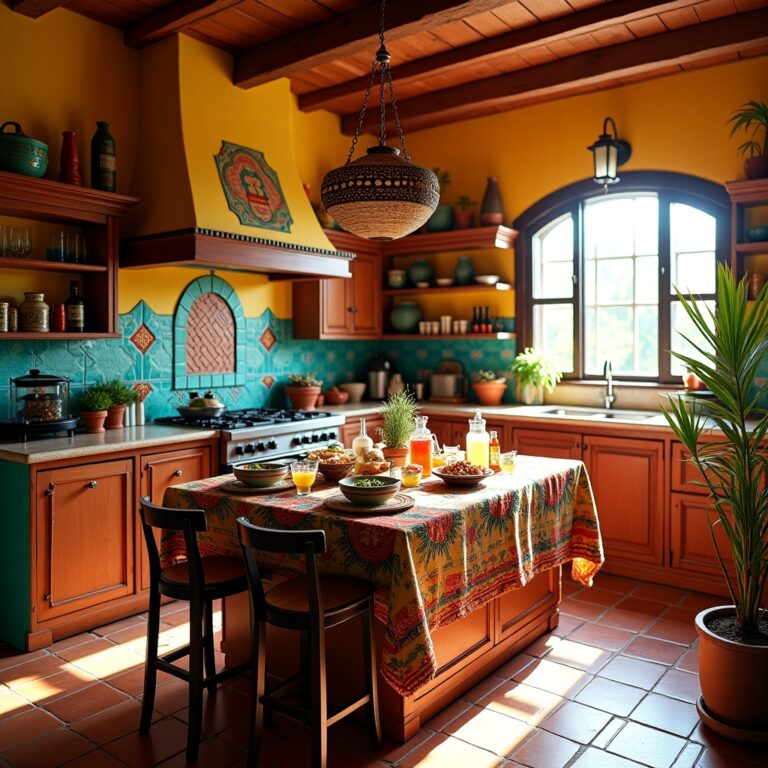
Imagine stepping into a Mexican tiles in kitchen that feels like Mexico’s lively streets. It’s filled with rich culture and beautiful architecture. The key to this look is using Mexican tiles in your design. These tiles add warmth, character, and cultural depth to your kitchen.
Table of Contents
Colorful tiles can make your kitchen stand out. They’re perfect for a stunning backsplash or adding color to countertops. Mexican tiles offer endless design options.
Key Takeaways
- Understand the cultural significance of Mexican tiles and their benefits in kitchen design.
- Learn practical tips for installing Mexican tiles in your kitchen.
- Discover how to create a stunning backsplash using vibrant tiles.
- Explore ways to accentuate your kitchen with Mexican tiles.
- Get insights into incorporating Mexican tiles into your kitchen design.
The Beauty and Benefits of Mexican Tiles in the Kitchen
Mexican tiles are a key part of kitchen design. They mix old-world craftsmanship with a modern look. These tiles are not just pretty; they also bring history and culture to your kitchen.
The Rich History and Cultural Significance
Mexican tiles have a long history. They blend indigenous, Spanish, and other cultural traditions. The art of making tiles in Mexico goes back to before the Spanish arrived.
Talavera tiles, for example, come from Puebla, Mexico. They are famous for their detailed designs and bright colors.
Types of Mexican Tiles: Talavera, Saltillo, and Cement
Mexico has many types of tiles, each special in its own way. Talavera tiles are known for their skillful craftsmanship. They are often used to add beauty to a space.
Saltillo tiles are made from natural clay. They give a rustic, earthy feel. Cement tiles are durable and versatile, making them great for kitchens.
Durability and Practical Advantages for Kitchen Spaces
Mexican tiles are not just pretty; they’re also tough. Many types can handle heat, moisture, and wear well. With the right care, they can last for many years, getting even more beautiful with age.
Using Mexican tiles in your kitchen makes it more beautiful. It also adds to the tiles’ durability and cultural value.
Designing Your Kitchen with Mexican Tiles
To make your kitchen stunning with Mexican tiles, think about a few key things. These tiles are famous for their bright colors and rich culture. They’re perfect for kitchen design. By looking at your space, setting a budget, and picking the right colors and designs, you can make a kitchen that’s both beautiful and useful.
Assessing Your Space and Setting a Budget
Before you start designing your kitchen, measure it and set a budget. Know how many tiles you’ll need for your walls, floors, and countertops. Think about the style and layout you want, and any renovations you might need.
Having a budget helps you choose the right Mexican tiles. Talavera, Saltillo, and cement tiles are popular, each with its own look and price. Remember to include the cost of installation, grouting, and sealing in your budget.
| Tile Type | Price Range | Characteristics |
|---|---|---|
| Talavera | $5-$15 per sq. ft. | Hand-painted, colorful, and rich in cultural heritage |
| Saltillo | $3-$10 per sq. ft. | Terracotta-based, warm, and rustic |
| Cement | $5-$20 per sq. ft. | Customizable, durable, and versatile |
Color Palettes and Complementary Design Elements
Choosing the right colors is key when using Mexican tiles in your kitchen. Think about your cabinets, countertops, and appliances. Also, think about the style you want. Mexican tiles are bold, so you might want to balance them with neutral colors.
“The key to a successful kitchen design is balance. By combining bold Mexican tiles with neutral elements, you can create a harmonious and visually appealing space.”
— Design Expert
Popular Patterns and Layout Considerations
Mexican tiles can be arranged in many ways, from simple to complex. Think about the size and shape of your tiles and the style you want. Popular patterns include the jardinière and running bond patterns.
When planning your tile layout, remember to account for cutouts like sinks or stoves. Also, plan for grouting and sealing for a lasting and beautiful finish.
Top Applications for Mexican Tiles in Kitchen
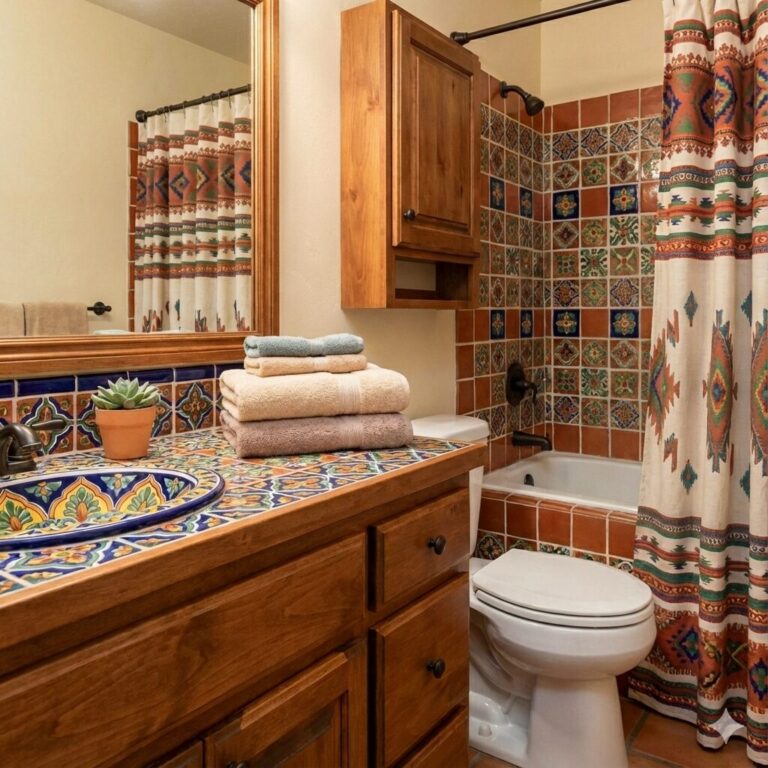
Mexican tiles bring warmth and vibrancy to your kitchen. They come in types like Talavera, Saltillo, and cement tiles. Homeowners can pick the best fit for their kitchen design. Mexican tiles are versatile and durable, perfect for backsplashes, flooring, and accent areas.
Creating Stunning Backsplashes with Mexican Tiles
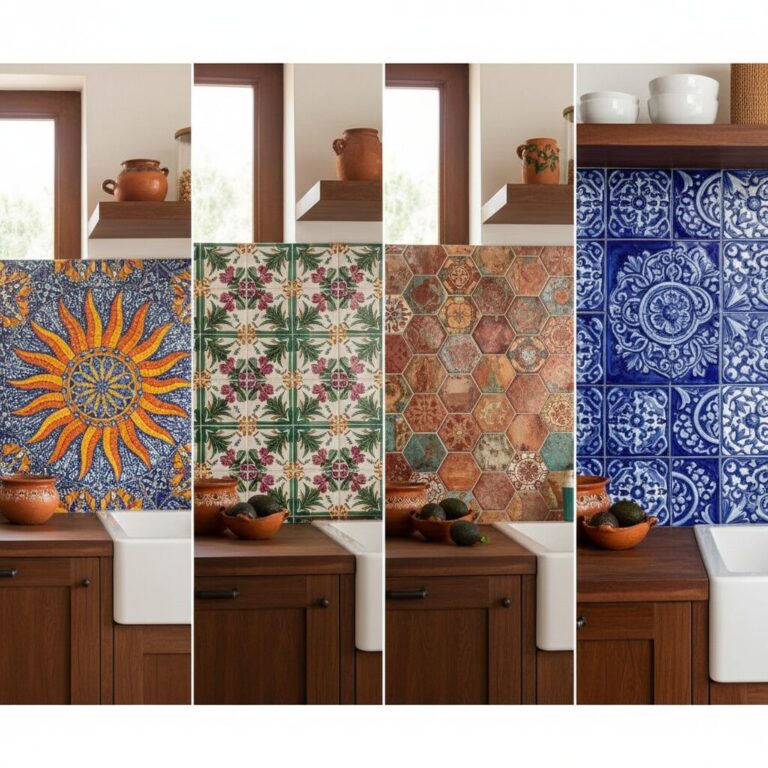
A backsplash is a great spot to start with Mexican tiles. Talavera tiles add elegance with their rich colors and designs. Think about the color and pattern of the tiles to match your kitchen’s look.
Tips for a Stunning Backsplash:
- Choose tiles that complement your kitchen’s color scheme.
- Consider a mix of solid colors and patterned tiles for visual interest.
- Use a grout color that enhances the tiles without overpowering them.
Mexican Tile Flooring: Practical Considerations
Mexican tile flooring, like Saltillo tiles, is both beautiful and durable. But, it needs some care. Saltillo tiles are porous and may need sealing to avoid stains.
| Type of Tile | Durability | Maintenance |
|---|---|---|
| Saltillo | High | Sealing recommended |
| Cement Tiles | High | Sealing required |
| Talavera | Medium | Regular cleaning |
Accent Areas: Countertops, Islands, and Niches
Mexican tiles can make beautiful accent areas in the kitchen. Use them for countertops, islands, and decorative niches. Cement tiles are great for these spots because of their modern designs.
“The use of Mexican tiles in accent areas not only adds visual interest but also creates a unique focal point in the kitchen.”
Design Expert
When using Mexican tiles for countertops or islands, think about durability and upkeep. For decorative niches, the tiles can make a stunning display that enhances the kitchen’s feel.
Step-by-Step Installation Guide
Getting professional-looking results with Mexican tiles in your kitchen is easy with a step-by-step guide. This guide will help you from start to finish, ensuring your kitchen looks great and lasts long.
Tools, Materials, and Where to Buy Quality Mexican Tiles
First, gather all the tools and materials you need. For installing Mexican tiles, you’ll require a tile cutter, adhesive, grout, and more. You can find top-quality Mexican tiles at specialty stores, home improvement stores, or online. Top Mexican tile manufacturers like Terra Verde and El Morado offer authentic tiles.
Here are some places to buy Mexican tiles:
- Local tile stores that specialize in Mexican tiles
- Online marketplaces like Houzz or Wayfair
- Directly from manufacturers’ websites
| Tool/Material | Description | Source |
|---|---|---|
| Tile Cutter | For cutting tiles to size | Home improvement stores |
| Thinset Adhesive | For bonding tiles to surface | Hardware stores or online |
| Grout | For filling gaps between tiles | Hardware stores or online |
| Sealant | For protecting grout and tiles | Specialty tile stores or online |
Surface Preparation Techniques
Getting the surface ready is key for a good tile installation. Make sure it’s clean, dry, and even. Remove any old adhesive and prime the surface if needed. For countertops or backsplashes, a waterproof base is a must.
Tile Layout and Installation Process
Start by laying out your tiles without adhesive to plan the best pattern. Once you’re happy with it, apply thinset to the surface, starting from the center. Press the tiles firmly into place, using spacers for even grout lines.
Grouting, Sealing, and Finishing Touches
After setting the tiles, let the thinset dry before grouting. Use a grout float to fill the gaps, then clean off excess with a damp sponge. Once the grout is dry, apply a sealant to protect it. Check your work and make any needed adjustments.
By following these steps and using quality materials, you can create a beautiful and durable Mexican tile installation in your kitchen.
Enhancing Your Kitchen with Mexican Tiles
Mexican tiles can turn your kitchen into a lively and welcoming area. They bring a rich history and cultural value to your home.
Using Mexican tiles in your kitchen can make a striking backsplash, lovely flooring, or standout accent areas. These tiles are versatile, letting you play with patterns, colors, and layouts. This makes it simple to match your kitchen to your taste.
To make your dream kitchen a reality, check out showrooms or talk to design experts. They can guide you through the process. With Mexican tiles, your kitchen can be both useful and beautiful.
FAQ
What are the benefits of using Mexican tiles in my kitchen?
Mexican tiles add a special touch to kitchens. They are known for their beauty and durability. You can find many types, like Talavera, Saltillo, and Cement. They’re great for backsplashes, floors, and adding color.
How do I choose the right Mexican tiles for my kitchen design?
Start by thinking about your kitchen’s size and your budget. Look at colors and designs that match your tiles. Choose between Talavera for tradition or Saltillo for a rustic look.
Can I install Mexican tiles myself, or do I need a professional?
Installing Mexican tiles yourself is possible. But hiring a pro is better if you’re new to tile work. It’s important to prepare the surface, lay the tiles right, and grout well.
Where can I buy high-quality Mexican tiles for my kitchen?
You can find Mexican tiles at tile stores, home improvement centers, and online. Choose suppliers known for authentic, handmade tiles. This ensures quality and durability.
How do I maintain and care for my Mexican tile kitchen?
To keep your Mexican tile kitchen looking good, clean it with a mild soap. Seal them now and then to avoid stains. Don’t forget to clean and seal the grout, too.
Are Mexican tiles suitable for kitchen countertops and islands?
Yes, Mexican tiles can make your countertops and islands stand out. But pick tiles that are tough and easy to care for. Some tiles are better for these areas than others.
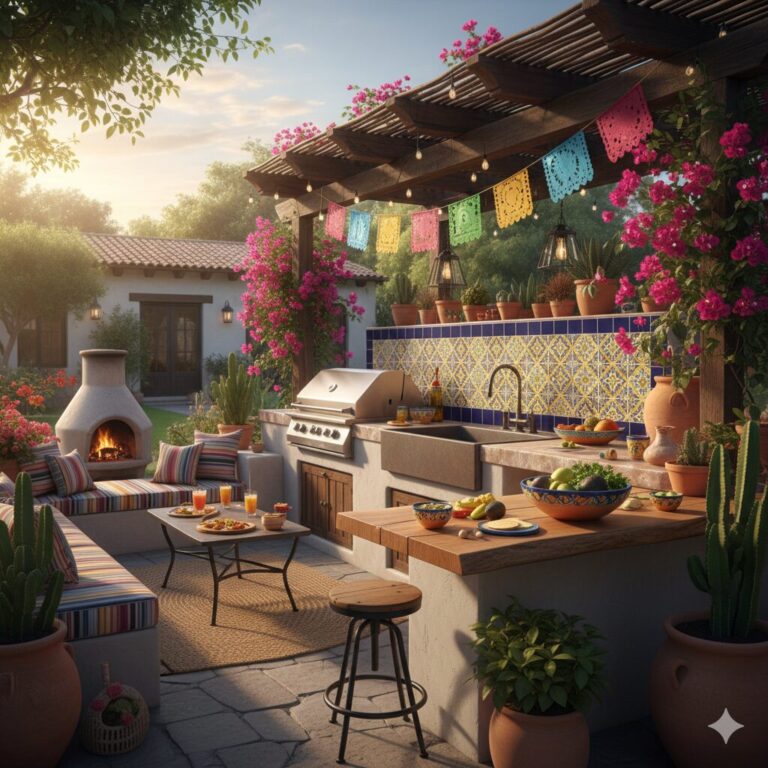
Can Mexican tiles be used for outdoor kitchens or patio areas?
Yes, some Mexican tiles, like Saltillo, work well outside. But make sure to pick tiles made for outdoor use. Follow the maker’s advice for setting them up and keeping them in good shape.