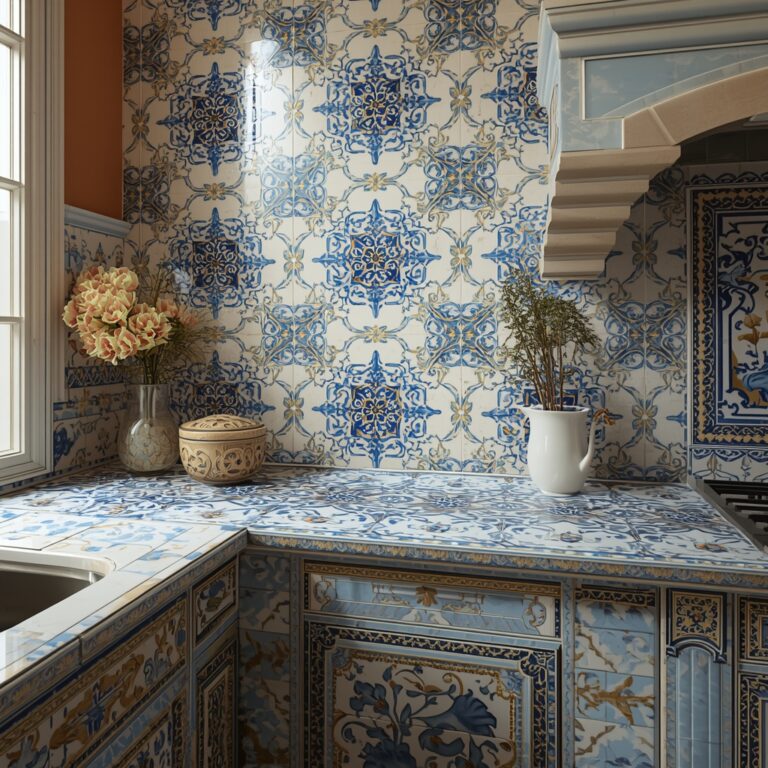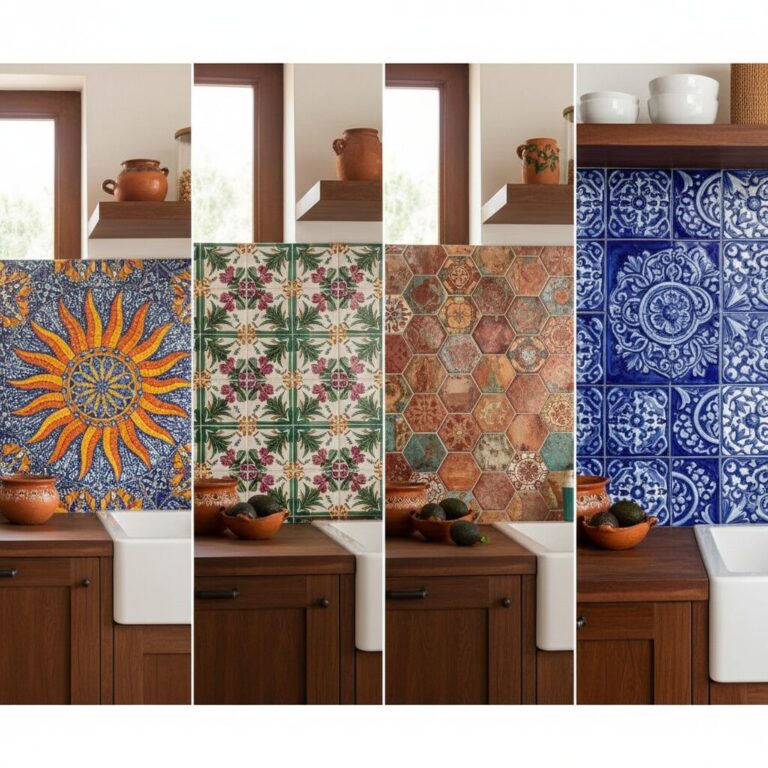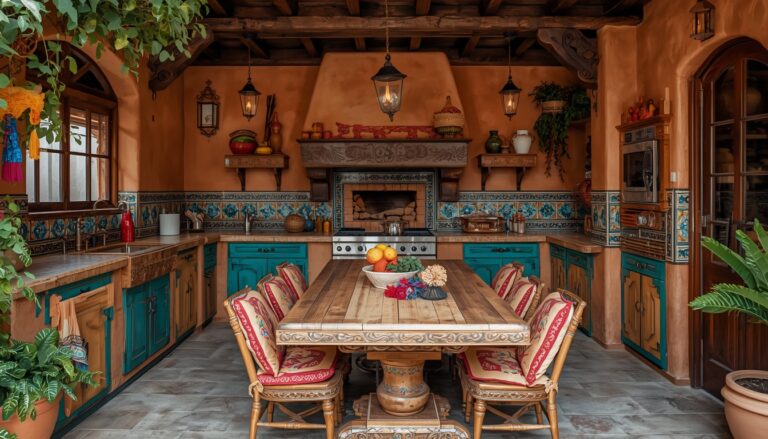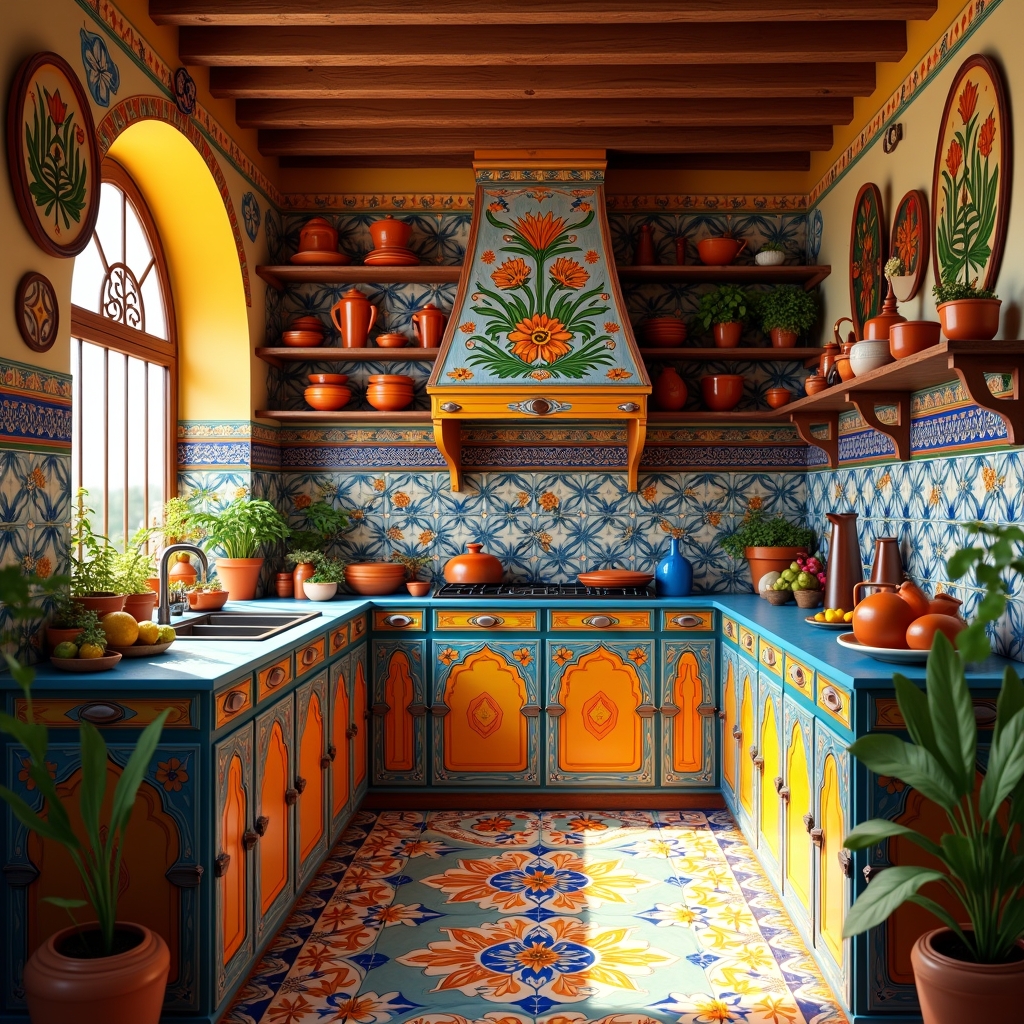
Vibrant Hand Painted Mexican Tiles for Kitchen
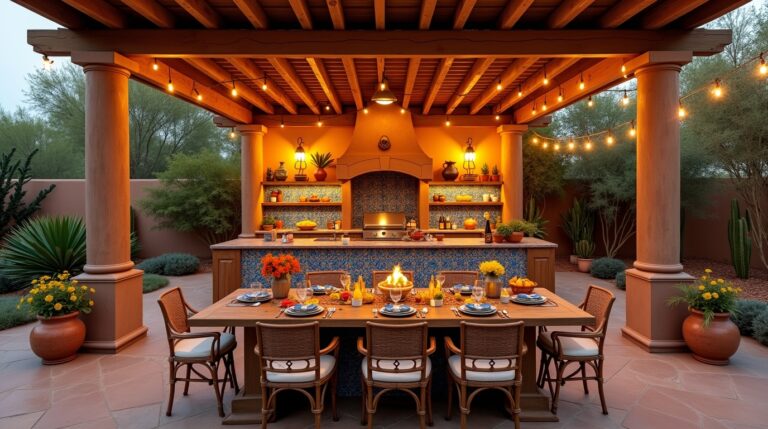
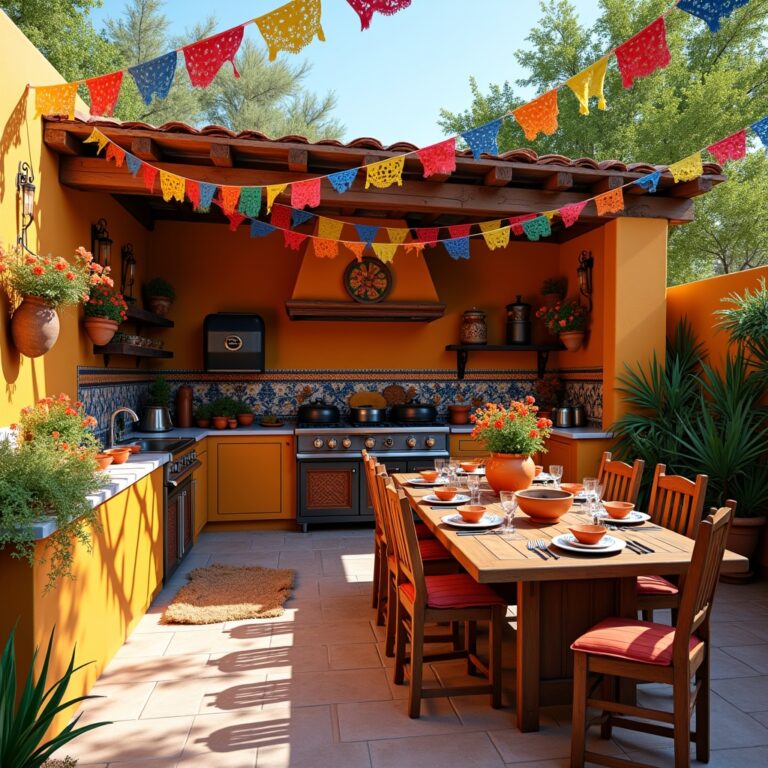
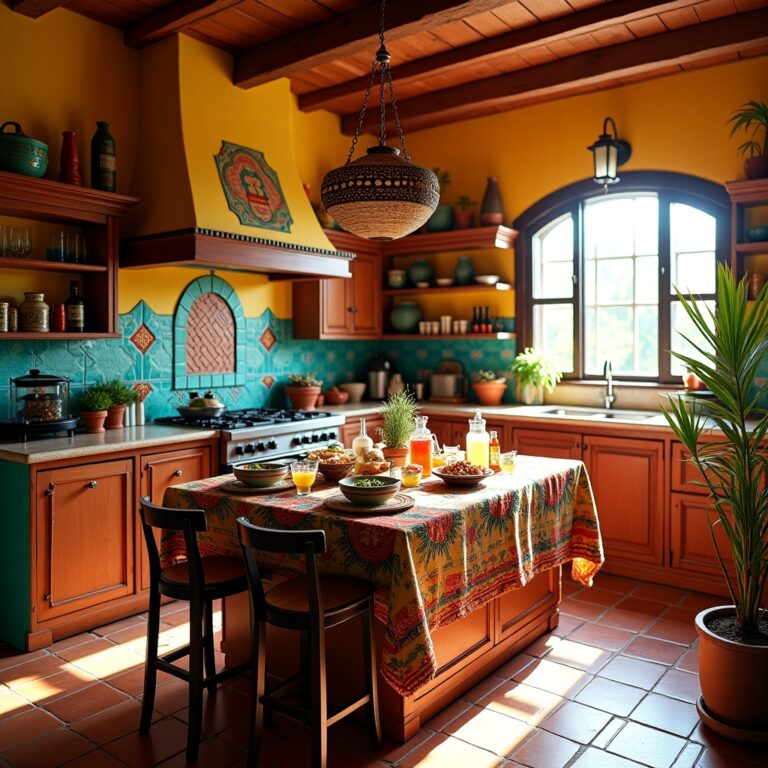
Imagine walking into a kitchen that feels like a lively Mexican market. Every detail tells a story of culture and skill. The key to this look is the vibrant Mexican tiles on the walls and countertops.
These aesthetic kitchen tiles are more than just decorations. They show off Mexico’s rich art history. Each tile is made with care, bringing a bit of Mexico’s vibrant culture into your home.
Table of Contents
Adding these tiles to your kitchen makes it more beautiful. It also fills your space with history and tradition.
Key Takeaways
- Add a touch of Mexican culture to your kitchen with vibrant tiles.
- Each tile is a unique piece of art, reflecting traditional craftsmanship.
- Enhance your kitchen’s aesthetic appeal with these beautiful tiles.
- Create a focal point in your kitchen with a statement tile design.
- Bring a sense of warmth and character to your kitchen space.
The Colorful World of Mexican Tile Artistry
Mexican tile artistry shows the country’s rich culture. For ages, traditional Mexican tiles have added warmth and character to homes. Their bold colors and patterns tell stories of Mexico’s history and people.
The Cultural Heritage Behind Mexican Tiles
Mexican tiles have a long history, starting with ancient civilizations. Artisans have passed down traditional techniques through generations. Today, decorative Mexican tiles are both timeless and vibrant.
Why Mexican Tiles Are Perfect for Kitchen Spaces
Mexican kitchen tiles are great for adding culture and beauty to kitchens. They are durable and easy to care for. Whether you want a rustic or modern look, Mexican tiles are perfect.
| Tile Type | Description | Ideal Use |
| Talavera | Hand-painted with detailed designs | Backsplashes, decorative accents |
| Saltillo | Rustic terracotta with natural variations | Flooring, rustic kitchen decor |
| Cement Tiles | Colorful, durable, and versatile | Countertops, flooring, backsplashes |
Hand Painted Mexican Tiles for Kitchen: Types and Styles
Hand-painted Mexican tiles add a burst of color and culture to kitchens. They are more than just decorations; they showcase Mexico’s rich artistry. Each style of tile has its own look and charm.
Talavera Tiles: The Crown Jewel of Mexican Ceramics
Talavera tiles are famous for their detailed designs and bright colors. They come from Puebla, Mexico, and are crafted through a traditional method. Talavera tiles are also very durable and can handle heat well, perfect for kitchens.
Saltillo Tiles: Rustic Terracotta Beauty
Saltillo tiles are made from natural clay and have a rustic look. They are created in Saltillo, Mexico, and are loved for their texture and warm colors. Saltillo tiles bring a cozy feel to any kitchen.
Cement Tiles: Colorful Patterns That Last
Cement tiles are a favorite for kitchen decor. They are made from cement, sand, and color, then molded. These tiles are both beautiful and long-lasting. They can be used to create eye-catching designs on floors and backsplashes.
| Tile Type | Characteristics | Ideal Use |
| Talavera | Intricate designs, vibrant colors, durable | Kitchen backsplashes, decorative accents |
| Saltillo | Rustic, earthy appearance, natural clay | Kitchen floors, rustic decor |
| Cement | Colorful patterns, durable, versatile | Kitchen floors, backsplashes, decorative patterns |
Planning Your Mexican Tile Kitchen Project
To make a stunning Mexican tile kitchen, start with a solid plan. This plan should match your style and the space you have. A good plan helps you choose the right tiles, layout, and look for a beautiful kitchen.
Determining Your Style and Color Scheme
Mexican tiles come in many styles and colors for your kitchen. Think about your kitchen’s theme, including cabinets, countertops, and appliances. Decide if you want a warm, cool, or vibrant kitchen.
Look for inspiration in design magazines, online, or showrooms. Make a mood board or collect tile samples that catch your eye. This helps you see your dream kitchen.
Measuring and Calculating Tile Quantities
After deciding on your style and colors, measure your space. Calculate how many decorative Mexican tiles you need. Measure the area where you’ll put tiles, including cuts and waste.
For a backsplash, measure the wall’s height and width. For floors, find the square footage. Add 10-15% to your total for cuts, breaks, and repairs. This ensures you have enough tiles for your project.
Sourcing Authentic Mexican Tiles
Authentic Mexican tiles can make your kitchen look amazing. But finding them requires some thought. When searching for hand painted Mexican tiles for kitchen, look for suppliers who sell real, top-notch products.
Reputable Suppliers in the United States
In the United States, many suppliers specialize in handcrafted Mexican tiles. They often partner with Mexican artists. This ensures the tiles are genuine and of high quality. You can find them online or in stores that sell unique, international tiles.

hand painted Mexican tiles for kitchen
When picking a supplier, check their reputation and what others say about them. Also, see how many tiles they have. It’s smart to ask about the artists and materials used in making the tiles.
What to Look for in Quality Hand-Painted Tiles
Quality hand-painted tiles have bright colors, detailed designs, and are built to last. Look for tiles with even glazing and a strong base. They should handle kitchen life well. Also, check if the supplier offers any certifications or guarantees.
By paying attention to these details, you’ll get hand painted Mexican tiles for kitchen that are not just pretty but also durable.
Essential Tools and Materials for Installation
To get a professional look with Mexican kitchen tiles, you need the right tools and materials. Installing handmade kitchen tiles needs precision and the right tools for a lasting result. This section will help you with the tools and materials for a successful installation.
Tile Installation Tools Checklist
Having the right tools is key for a smooth installation. You’ll need a tile cutter or wet saw for cutting tiles. A notched trowel for applying adhesive and tile spacers for even grout lines are also important. Don’t forget a rubber mallet, level, and measuring tape for aligning and spacing tiles.
- Tile cutter or wet saw
- Notched trowel
- Tile spacers
- Rubber mallet
- Level
- Measuring tape
Adhesives, Grouts, and Sealants for Mexican Tiles
Choosing the right adhesives, grouts, and sealants is key for your Mexican kitchen tiles. Use a high-quality tile adhesive that fits your tile type. For grouting, pick a grout that matches your tile’s color and style. Apply a suitable sealant to protect your tiles from stains and moisture.
Remember to consider your tiles’ specific needs, like porosity and material, when picking adhesives, grouts, and sealants. Talking to a professional or supplier can give you great advice on the best products for your project.
Preparing Your Kitchen Surface for Mexican Tiles
A well-prepared kitchen surface is key for a stunning Mexican tile installation. Before starting, make sure your kitchen surface is ready for the vibrant Mexican tiles. These tiles will transform your space.
Removing Existing Backsplash or Flooring
The first step is to remove any existing backsplash or flooring. This might mean prying off old tiles, scraping away adhesive, or removing laminate flooring. It’s important to remove all old materials to start fresh with your traditional Mexican tiles.

vibrant Mexican tiles installation
Creating a Clean, Level Surface
After removing the old materials, check the surface for damage or unevenness. Make any needed repairs to ensure the surface is level and clean. Below is a table with steps to achieve a clean and level surface:
| Step | Description | Tools Needed |
| 1 | Clean the surface thoroughly | Broom, dustpan, cleaning solution |
| 2 | Check for and repair any damage | Patching compound, sandpaper |
| 3 | Ensure the surface is level | Level tool, shims |
By following these steps, you’ll have a clean, level surface ready for your vibrant Mexican tiles.
Step-by-Step Installation Guide for Mexican Tile Backsplash
To get a beautiful Mexican tile backsplash, follow this guide. Installing hand painted Mexican tiles for kitchen is a fun DIY project. It involves several steps to get a professional look.
Layout Planning and Dry Fitting
First, plan your tile layout. Measure the area for the backsplash. Draw a straight line with a level on the countertop or cabinet for the first row. Dry fit the tiles to see the layout and make adjustments.
Applying Adhesive Properly
When you’re happy with the layout, apply adhesive. Use a notched trowel to spread it evenly. Hold the trowel at a 45-degree angle for better adhesion. Follow the adhesive’s instructions.
“The right adhesive is key for your tile’s longevity. Pick one that matches your tile type.”
Setting Tiles in Place
Start with the center tile and work outwards. Press each tile firmly, twisting slightly. Use spacers for even grout lines. Check tiles with a level to keep them straight.
| Tile Type | Recommended Adhesive | Grout Spacing |
| Talavera Tiles | Thinset Mortar | 1/8 inch |
| Saltillo Tiles | Modified Thinset | 1/4 inch |
| Cement Tiles | Epoxy-based Adhesive | 1/8 inch |
Grouting Between Tiles
After 24 hours, grout the tiles. Mix the grout as directed and apply with a float. Press the grout into the spaces at a 45-degree angle. Wipe away excess with a damp sponge, changing water often.
Sealing the grout after it dries can prevent stains. For decorative Mexican tiles, use a grout sealer that fits your grout type.
Installing Mexican Tiles on Kitchen Floors
Installing handcrafted Mexican tiles on kitchen floors needs careful attention and a good understanding of the process. When done right, it can make the kitchen look and work better.
Special Considerations for Floor Installations
When putting handmade kitchen tiles on floors, you must think about their durability and how they handle foot traffic. It’s key to pick tiles that are good for floors and can last through daily use.
Also, preparing the subfloor is very important. The surface must be clean, dry, and even for a good installation. Fix any cracks or uneven spots before laying the tiles.
Ensuring Proper Drainage and Levelness
Drainage and levelness are key when installing Mexican kitchen tiles on kitchen floors. Use a level and a laser guide to help with this.
| Installation Factor | Importance | Action Required |
| Subfloor Preparation | High | Clean, dry, and level the surface |
| Drainage | High | Ensure proper slope towards drains |
| Tile Quality | High | Choose durable, suitable tiles |
By focusing on these important factors and following best practices, homeowners can have beautiful, functional, and lasting handcrafted Mexican tiles on their kitchen floors.
Sealing and Protecting Your Hand-Painted Mexican Tiles
Sealing your hand-painted Mexican tiles is key to keeping them looking great for a long time. Talavera tiles stand out with their bright colors and detailed designs. They need special care to stay beautiful.
Choosing the Right Sealant
Choosing the right sealant for vibrant Mexican tiles is very important. You have a few options:
- Water-based sealants: Easy to use and work well for most tiles.
- Solvent-based sealants: Provide strong protection but can have strong smells.
- Ceramic sealants: Made for ceramic tiles, they offer lasting protection.
Application Techniques for Long-Lasting Protection
To keep your aesthetic kitchen tiles safe, follow these steps:
- Clean the tiles well before applying the sealant.
- Use a brush or roller to apply the sealant as the product suggests.
- Let the sealant dry fully before using the tiles with water or heavy use.
By picking the right sealant and using the right application methods, your hand-painted Mexican tiles will last for many years.
Creative Design Ideas for Mexican Tile Kitchens
Mexican tiles can transform your kitchen into a colorful and lively space. They’re not just for backsplashes. You can use them to make your kitchen truly unique and vibrant.
Beyond Backsplashes: Unexpected Places for Mexican Tiles
Mexican tiles are versatile. They can be used on countertops, flooring, or even as wall and ceiling decorations. Talavera tiles bring stunning colors and designs to any kitchen feature.
Mixing and Matching Patterns for Visual Impact
Mexican tiles let you mix and match patterns. Combine geometric with floral designs for a striking kitchen. Use a main pattern for big areas and smaller tiles for contrast to add depth.
| Tile Type | Best Use | Design Tip |
| Talavera | Backsplash, Countertops | Pair with solid colors to let the pattern shine |
| Saltillo | Flooring | Use area rugs to define spaces and add warmth |
| Cement Tiles | Accent Walls, Flooring | Mix with plain tiles to create a mosaic effect |
Creating Focal Points with Statement Tiles
Statement tiles can be the kitchen’s centerpiece. A well-designed tile can draw the eye and add character. Consider a mural or a large tile above a stove or sink.
By using Mexican tiles wisely, you can make your kitchen both functional and beautiful. Whether you want a bold statement or subtle accents, Mexican tiles offer endless creative possibilities.
Conclusion: Transforming Your Kitchen with Vibrant Mexican Artistry
Hand painted Mexican tiles can change your kitchen’s look. They add color, culture, and skill to any kitchen.
Using mexican kitchen tiles lets you show off your style. You can add color with a backsplash or make a bold floor. The options are endless.
Now you’re ready to start your Mexican tile kitchen project. First, find authentic tiles. Then, plan your design and get your surface ready. Your kitchen will be warm, full of character, and show off Mexican art.
FAQ
What are hand-painted Mexican tiles, and how are they made?
Hand-painted Mexican tiles, like Talavera and Saltillo, are made the old way. Artisans paint and fire clay tiles. Each tile is unique, full of character.
Are hand-painted Mexican tiles suitable for kitchen backsplashes?
Yes, they’re great for kitchen backsplashes. They’re durable, heat-resistant, and look amazing. They can brighten up your kitchen.
How do I clean and maintain my hand-painted Mexican tiles?
Clean them with mild soap and water. Stay away from harsh chemicals and abrasive cleaners. Sealing them regularly helps protect them.
Can I install hand-painted Mexican tiles on my kitchen floor?
Yes, you can use them on floors, like Saltillo. Just make sure to seal and install them right. They need to handle foot traffic and spills.
How do I choose the right grout for my Mexican tile installation?
Pick grout that matches your tile’s color and style. For hand-painted tiles, choose a grout that complements their colors.
Can I mix different patterns and styles of Mexican tiles in my kitchen?
Yes, mixing them can make your kitchen look unique and interesting. Try combining Talavera and Saltillo or bold patterns with simple ones.
Are hand-painted Mexican tiles expensive?
Their price depends on the tile type, size, and design. They might cost more than regular tiles. But their unique look and durability are worth it.
How do I ensure that my Mexican tiles are authentic?
Buy from trusted suppliers who get tiles directly from Mexican artisans. Look for signs that show the tile’s true origin.
Can I use hand-painted Mexican tiles in outdoor kitchen spaces?
Yes, they work well outdoors. Just make sure to seal and install them right to handle the weather.